
By: Laura Duncan
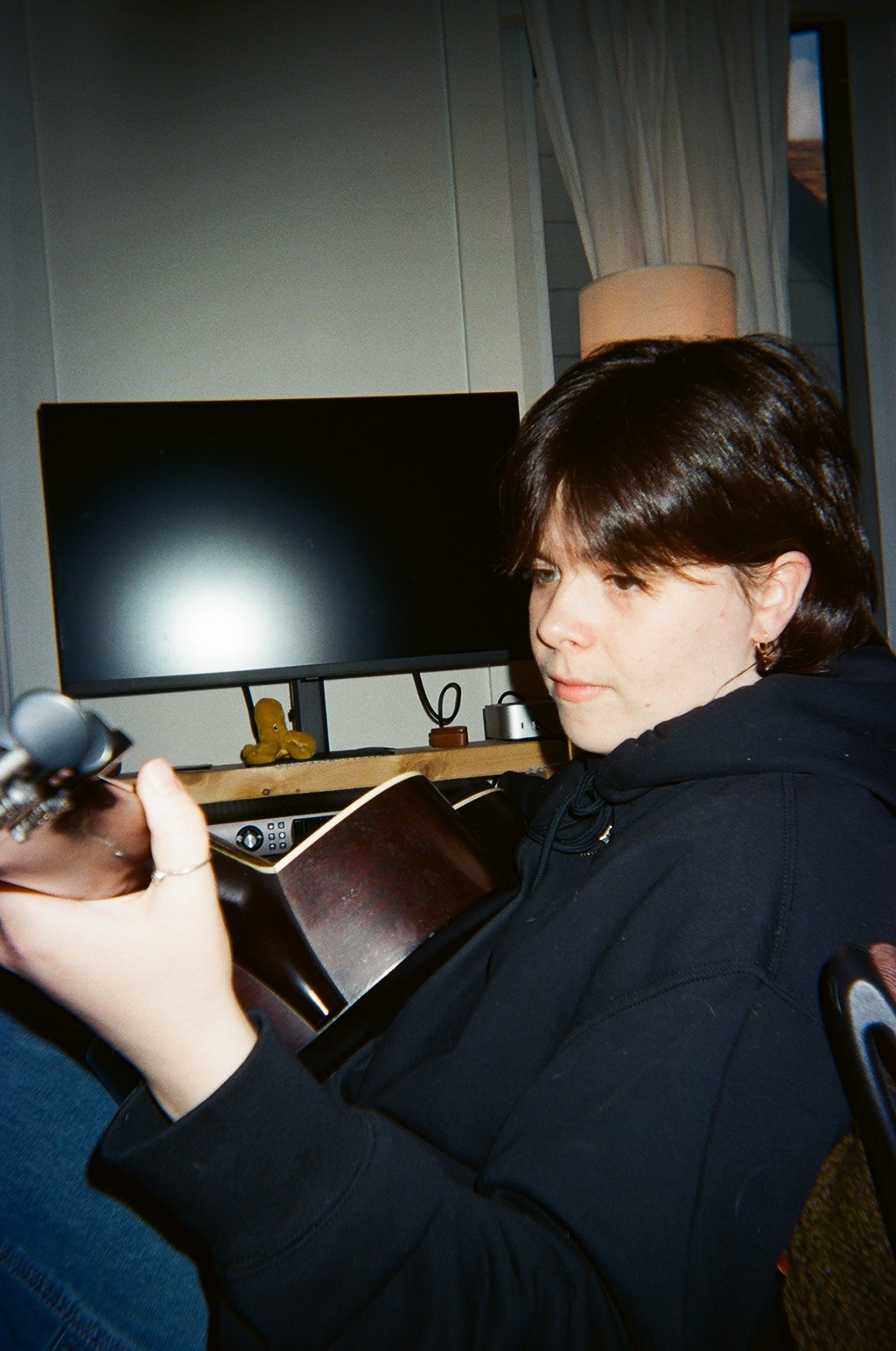
On September 10th, Leith Ross joined multiple media outlets for a press conference hosted by Universal Music Group’s °1824 to discuss the upcoming release of their sophomore album. In a time when nothing is certain and people are fearful of losing their rights to live and love the way they want to, an album like Ross’s upcoming release, I Can See The Future, is a welcome reprieve.
Described as an older sibling to their first album, To Learn, I Can See The Future represents the transition from adolescence into adulthood and prefrontal cortex development. Furthermore, the album represents the beauty of queer love that cannot be explained unless it’s been lived – particularly when there’s a societal movement pushing to stop queer love from continuing to grow and thrive. Ross described there being “a general responsibility as a human being to make the world a better place.” They then described how they wanted to write this album as honestly as possible and explore the idea of queerness beyond an identity, but also as a way of living, as questioning.
Ross continued to describe their connection to queerness and the queer community, which allows them to view life differently and divorce their relationships from established institutions, breaking rules and living differently. This sentiment is represented in their personal favorite song off the album and title track, “I Can See The Future.” They described their process of writing and the meaning of the song as “working towards the future [and] putting the effort in now.” This song is also the only one not written from Ross’s perspective and instead written from the perspective of a great great grandchild many years in the future.
If you are looking for the most visceral songs on the album, Ross recommends “Grieving,” “I Can See The Future,” and “I Will.” Particularly with “Grieving” being written after Ross experienced large grief for the first time, the song unpacks how this loss changed them not only as a person but also as an artist.
They said the most fun song on the album is “Alone,” which represents “moments completely by yourself and being really happy about it.” They furthered this sentiment by stating, “Be a friend to yourself [because] you’re the only person that will ever truly know you.”
One of the things that immediately drew my attention to the album was its cover. Ross chose this collage image as it “allows all themes to be represented [with] images acting as a collection of memories of personhood.” Furthermore, they “dream to give someone else the experience they felt when they were younger listening to music.”

Suppose you are wondering how to best enjoy this new release. Well in that case, Ross describes the perfect setting as being “on a bike [or on the move] by yourself with a cool breeze, feeling what got you here… feeling the fullness of nostalgia, wonderment, romance, reflection.” They also suggest listening to the album in the order it’s presented, as it begins with “Grieving” and ends with a reprise of “Grieving.” Towards the end of the conference, Ross stated, “I cannot be human alone,” a rumination I think lends itself perfectly to this release and the community Ross hopes to create through their music and shared experience.
I Can See the Future will be ready for your ears on September 19, 2025.


Leave a Reply